
Summary
The recent halt in hostilities around the Strait of Hormuz has provided a much-needed reprieve for global markets. However, the lasting economic implications from the ongoing conflict are raising concerns among analysts and traders.
Key Details
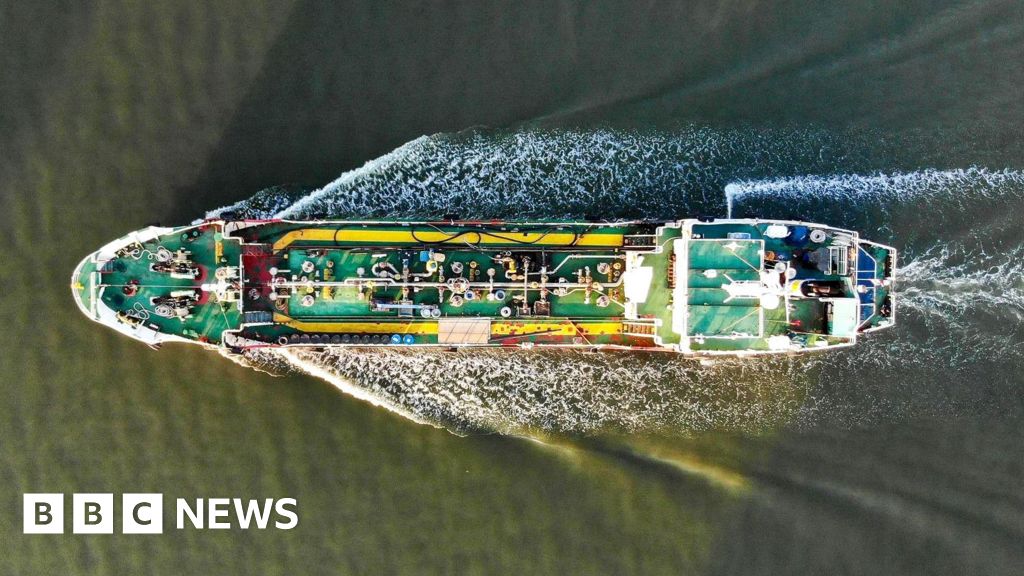
Following a temporary pause in attacks, shipping channels through the vital Strait of Hormuz have resumed normal operations. This development has brought a sense of stability to oil prices and market confidence. Yet, the war has inflicted significant economic challenges, including supply chain disruptions and heightened geopolitical tensions that could affect trade in the long run.
- Market Reactions: Initial relief seen in oil prices
- Ongoing Concerns: Supply chain vulnerabilities persist
- Geopolitical Tensions: Potential for future conflicts remains high
Why It Matters
The Strait of Hormuz is a critical artery for global oil transport, with over 20% of the world’s oil passing through it. Any disruption not only affects energy prices but also has downstream effects on the global economy, impacting everything from consumer prices to inflation rates. The current situation underscores the fragility of global trade systems in the face of geopolitical instability.
What Could Happen Next
As the world watches developments in the region, several scenarios could unfold. If calm continues, we may see a stabilization of oil prices and improved market confidence. Conversely, any resurgence of hostilities could trigger renewed chaos in global markets, exacerbating existing economic issues. Stakeholders in energy and trade sectors must prepare for both outcomes as the situation evolves.
